
Mindstoke Endurance Sport Symposium
Mindstoke Endurance Sport Symposium
Symposium Recap
On April 25-27, 2025, 40 individuals from 10 states converged in Sedona, Arizona for the Mindstoke Endurance Sport Symposium. With emphases on highlighting “ideas over egos” and bringing “hallway conversations” into the main sessions, the symposium brought together a diverse group of athletes, coaches, researchers, and practitioners to discuss psychological aspects of endurance sport involvement.
Click for full recap
After a welcome and introduction to the symposium on Friday, April 25, 2025, the opening session addressed issues associated with making decisions about training and competition practices in endurance sport. Questions pertaining to deciding about whether and when to make changes in the training regimen and how such decisions are made and evaluated were tackled in small group and large group formats. No consensus was reached on the definition of the phrase “it works for me,” although a tendency to look to performance changes on the clock for answers was reported. Much to the delight and relief of the symposium organizers, the participants dove right in and embraced the “challenge by choice” approach to the first small group “elicitation exercise,” choosing to engage vigorously in discussion. Peripherally, it was revealed that attendees randomly assigned the Bingo letter “N” manifested a strong independent streak and those assigned the letter “G” did not lack for confidence in the quality of their discussion!
Following the opening session was the Soulstice Publishing Panel on psychological aspects of team approaches to endurance sport. Kristen Dieffenbach, Jack Mullaney, and Shannon Thompson served as panelists and drew upon their knowledge and experiences in working with teams at multiple competitive levels (e.g., professional, intercollegiate) in distance running and various cycling disciplines. Discussion focused on psychological issues encountered by endurance sport athletes that are specific to the team sport context and ways in which the team context can facilitate or inhibit the endurance sport experience of athletes. A key line of conversation addressed how coaches and sport psychology professionals can manage a “punch in the face” when the best laid plans for an endurance sport team go sideways.
Leading off the second day of the symposium was a session on psychological preparation for endurance performance that began with an elicitation exercise in which participants plotted on poster paper activities that endurance athletes actually do to prepare for endurance performance along axes representing the amount of time before a focal competition and the degree of intentionality of the activity with respect to mental preparation. Despite differences in background and training, panelists Erin Ayala, Angela Breitmeyer, Dolores Christensen, and Abby Keenan described highly complementary approaches to helping endurance athletes prepare psychologically for performance. Among the nuggets revealed during the discussion were how to identify and take the first psychological step in preparing for endurance performance, the value of setting a low bar for worst-case scenarios, and one professional’s comprehensive, soup-to-nuts inventory of psychological considerations in preparing for endurance performance.
On the heels of the session in which helpful forms of psychological preparation for endurance performance were discussed was a session in which a potentially counterproductive form of psychological preparation—self-handicapping (protecting self-esteem by creating or claiming obstacles to explain potential failure)—was addressed. An elicitation exercise got participants thinking and talking about examples of self-handicapping in endurance sport that they had experienced firsthand and/or observed in others. Panelist Jasmin Hutchinson introduced basic concepts in self-handicapping and summarized research on self-handicapping in the context of endurance sport. Emerging from the discussion was the sentiment that “claimed self-handicapping” is one thing (“talk is cheap”), but “behavioral self-handicapping” is another thing altogether (“truly next level”).
After a mid-day break, the symposium resumed with a session on mental activity (e.g., emotions, images, self-talk, thoughts) during endurance performance with a focus on challenges associated with “mapping the territory.” Panelists Dolores Christensen, Sean McCann, and Judy Van Raalte emphasized that various approaches to the assessment of mental activity during endurance sport involvement may yield different results and discussed the importance of knowing the contents of mental activity in the “Bermuda Triangles” of endurance sport. Conversation addressed the startling revelation that even elite endurance athletes may go into high-stakes competitive events without a clear plan of what to focus their attention on during the events.
The second day of the symposium ended on a high note with a session on the role of music in endurance sport. An elicitation exercise revealed extensive individual differences in the degree to which participants use music in their own endurance sport involvement, with some participants reporting that they use “no music” in association with endurance sport activities and others indicating that they have precise specifications about what music they listen to and when they listen to it in relation to their endurance sport activities. Panelist Jasmin Hutchinson stimulated further discussion by: (a) describing how music can be used before, during, and after endurance sport activities; (b) noting the magnitude of the effects of music on endurance sport outcomes; and (c) providing insights on why music is effective in influencing endurance sport processes and outcomes.
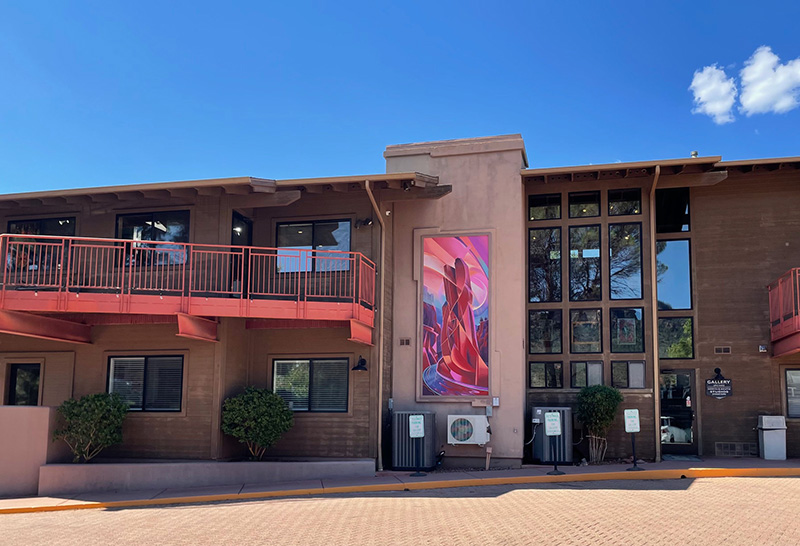
The final day of the symposium kicked off with a session led by Michelle Gregovic titled "Calm Mind, Calm Body: A Morning of Mindful Breath and Movement." Held in room next door to the main symposium space where the month-long “Element of Sport” art exhibit was being hosted concurrently, the session truly got participants’ blood flowing in advance of the rest of the morning’s activities.
Participants flexed their Venn diagramming skills in the elicitation exercise that played an integral role in a session on psychological similarities and differences across endurance sport disciplines. In the exercise, groups of participants compared and contrasted various endurance activities (and a few activities not traditionally considered to be endurance sports). A group of cycling enthusiasts masterfully did the same for subdisciplines of cycling. Engagement with panelists Joe Friel, Teresa Fukumoto-Beebe, Sean McCann, and Aisyah Rafaee revealed once again that even elite athletes across endurance disciplines often lack plans for mental activity during their respective events.
The final session of the symposium, titled “Racing Mother Nature and Father Time: Psychological Aspects of Aging in Endurance Sport,” featured a “Costco” (i.e., shopping in bulk) panel with researchers, coaches, athletes, and sport psychology professionals (Erin Ayala, Gary Bohn, John Crawford, Laura Crawford, Kristen Dieffenbach, Joe Friel, Abby Keenan, and Aisyah Rafaee). The session began with a display of a series of age-performance curves for endurance activities and an elicitation exercise in which participants identified aging-related challenges associated with endurance sport involvement and generated potential ways of addressing those challenges. The panel discussion focused on issues such as perimenopause/menopause, training consistency, and dealing with performance decrements. Conversation featured inspiring tales of age-defying performances and attitudes, and affirmation of the notion that 40+ years of coaching experience results in the designation of “common law psychologist.” The symposium concluded with a farewell reception and a book raffle.
Mindstoke Endurance Sport Symposium Program
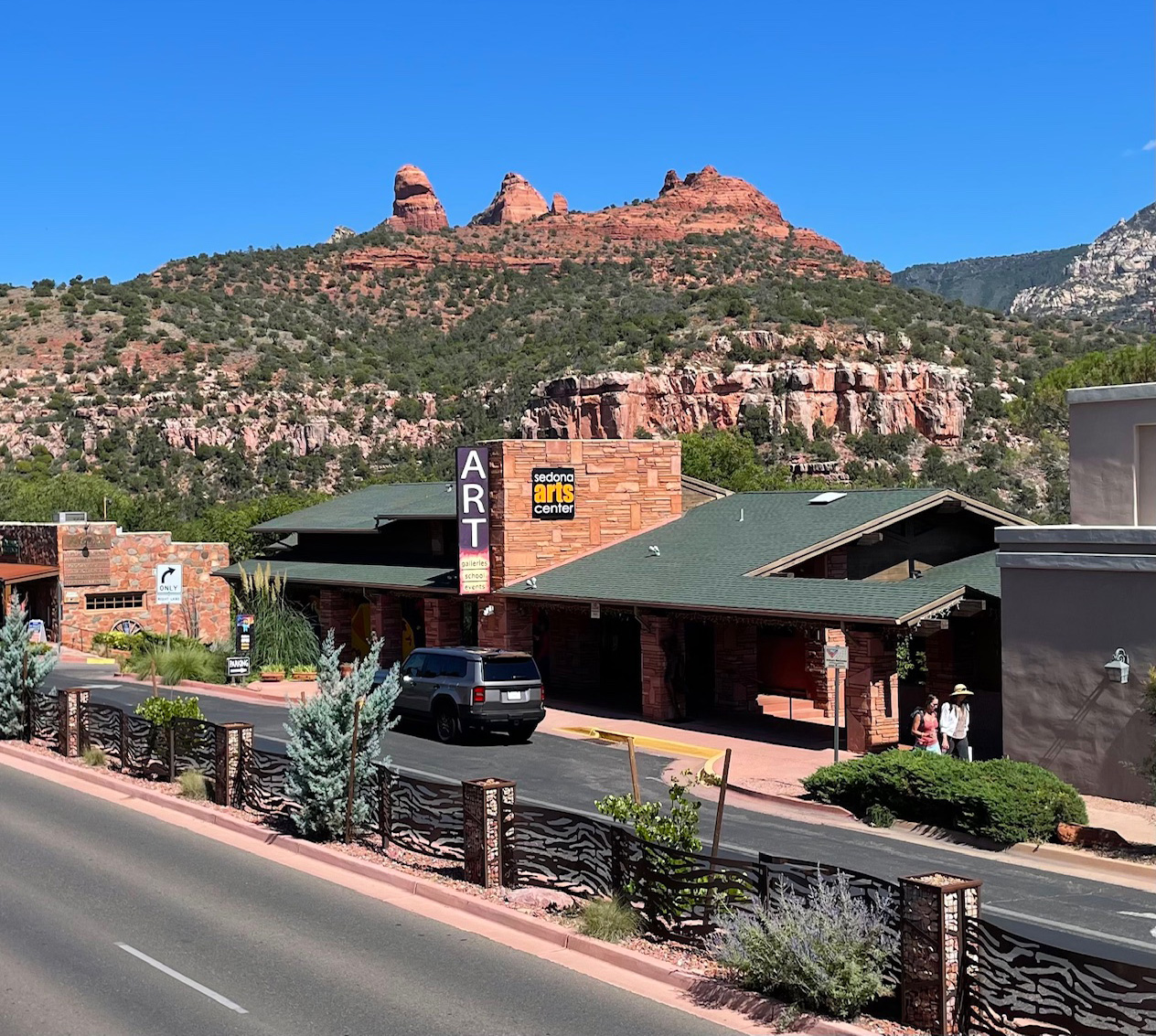
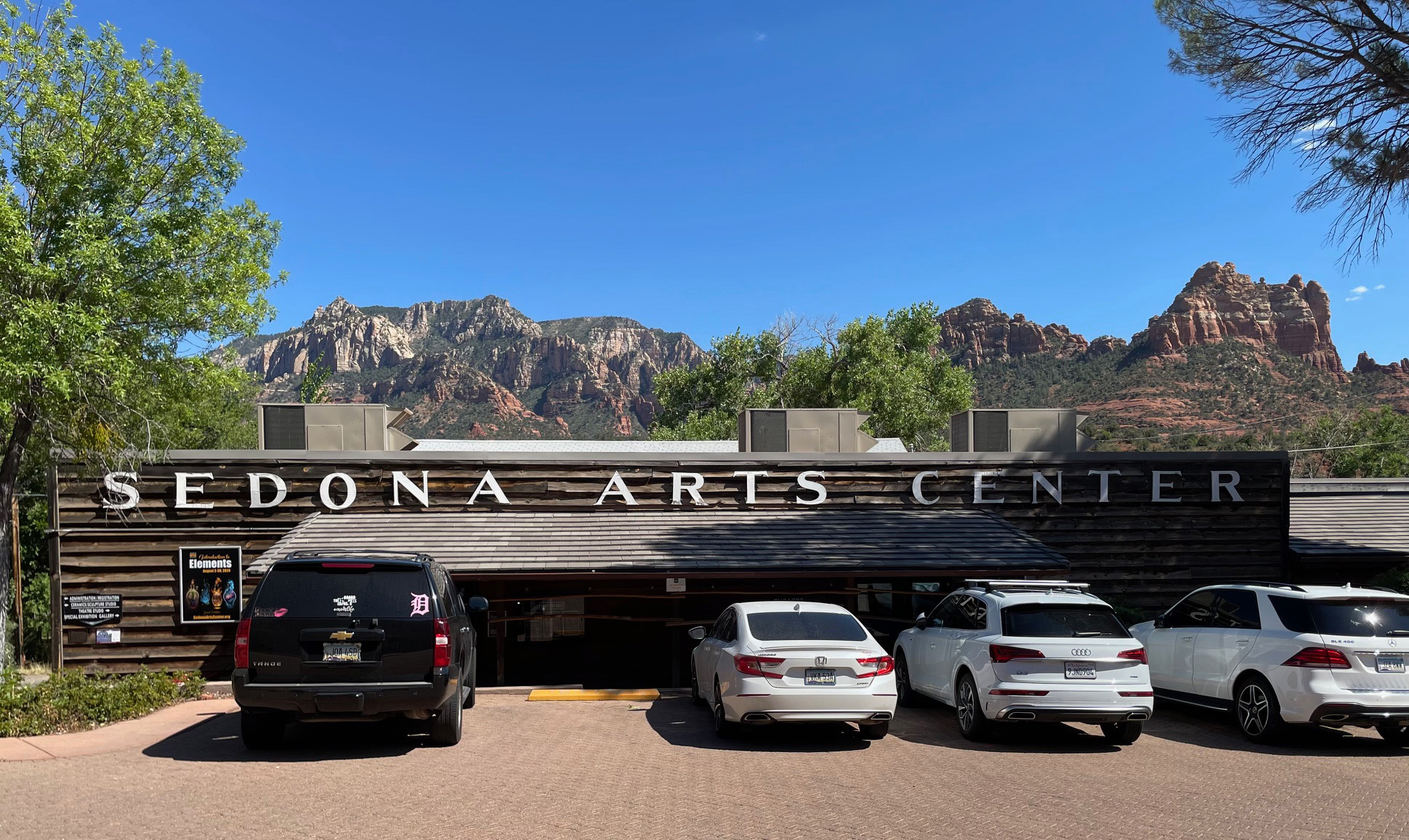
Sedona Arts Center, 15 Art Barn Road, Sedona, AZ 86336 USA
Friday, April 25, 2025 |
||
2:00 p.m. to 8:00 p.m. |
On-Site Registration | |
3:30 p.m. to 4:00 p.m. |
Introduction and Welcome | |
4:00 p.m. to 4:45 p.m. |
Decision-Making Processes in Endurance Sport | |
4:45 p.m. to 5:00 p.m. |
Break | |
5:00 p.m. to 6:30 p.m. |
Soulstice Publishing Panel on Psychological Aspects of Team Approaches to Endurance Sport | |
6:30 p.m. to 8:00 p.m. |
Opening Reception | |
Saturday, April 26, 2025 |
||
9:00 a.m. to 5:00 p.m. |
On-Site Registration | |
9:30 a.m. to 11:00 a.m. |
Psychological Preparation for Endurance Performance | |
11:00 a.m. to 11:15 a.m. |
Break | |
11:15 a.m. to 12:30 p.m. |
Self-Handicapping in Endurance Sport | |
12:30 p.m. to 2:30 p.m. |
Break | |
2:30 p.m. to 3:45 p.m. |
Mental Activity During Endurance Performance | |
3:45 p.m. to 4:00 p.m. |
Break | |
4:00 p.m. to 5:30 p.m. |
Role of Music in Endurance Sport | |
Sunday, April 27, 2025 |
||
8:30 a.m. to 9:15 a.m. |
Clear Mind, Calm Body: A Morning of Mindful Breath and Movement | |
9:00 a.m. to 11:00 a.m. |
On-Site Registration | |
9:30 a.m. to 10:45 a.m. |
Psychological Similarities and Differences Across Endurance Sport Disciplines | |
10:45 a.m. to 11:00 a.m. |
Break | |
11:00 a.m. to 12:30 p.m. |
Racing Mother Nature and Father Time: Psychological Aspects of Aging in Endurance Sport | |
12:30 p.m. to 1:00 p.m. |
Farewell Reception | |
Registration
The registration fee for the symposium is $250 ($150 for students) plus an Eventbrite online registration fee. Registration fees cover all symposium sessions and light refreshments at the opening and farewell receptions.
Sign Up
Sign up for email notification of symposium-related updates to our website.Sign up for email notifications
Staying in Sedona
Sedona is a leading tourist destination and, as such, hotel rooms in Sedona and the Village of Oak Creek (8 miles from Sedona Arts Center) come at a premium. Early booking is recommended. Lower priced hotel options are available in Cottonwood (19 miles from Sedona Arts Center). For families and groups, AirBnB and VRBO options are widely available in Sedona. RV camping options include the Rancho Sedona RV Park (1.3 miles from Sedona Arts Center) and Dead Horse Ranch State Park in Cottonwood (22 miles from Sedona Arts Center). Dead Horse Ranch also has cabins and tent camping. Free dispersed camping options can be found in West Sedona.
Sedona Endurance Sport Calendar
In addition to the Mindstoke Endurance Sport Symposium, Sedona plays host to a series of events relevant to endurance sport over a 5-week period beginning April 4, 2025: |
||
April 4-27, 2025 |
Element of Sport Exhibition & Sale, Sedona Arts Center | |
April 19, 2025 |
The Vortex Ultra Experience ~ 50, 34, 21, 12 and 4 Miles, Sedona | |
April 24, 2025 |
McFarland, USA, Sedona International Film Festival Movies on the Move, Sedona Arts Center | |
May 5-10, 2025 |
Cocodona 250, Black Canyon City to Flagstaff (passing through Sedona) | |
Supporters